
“If You Don’t Tell Your Story, Someone Else Will"
Pinqy Ring reflects on hip hop as survival, global solidarity, and a radical practice of truth-telling.
Elisa Shoenberger
February 6, 2026
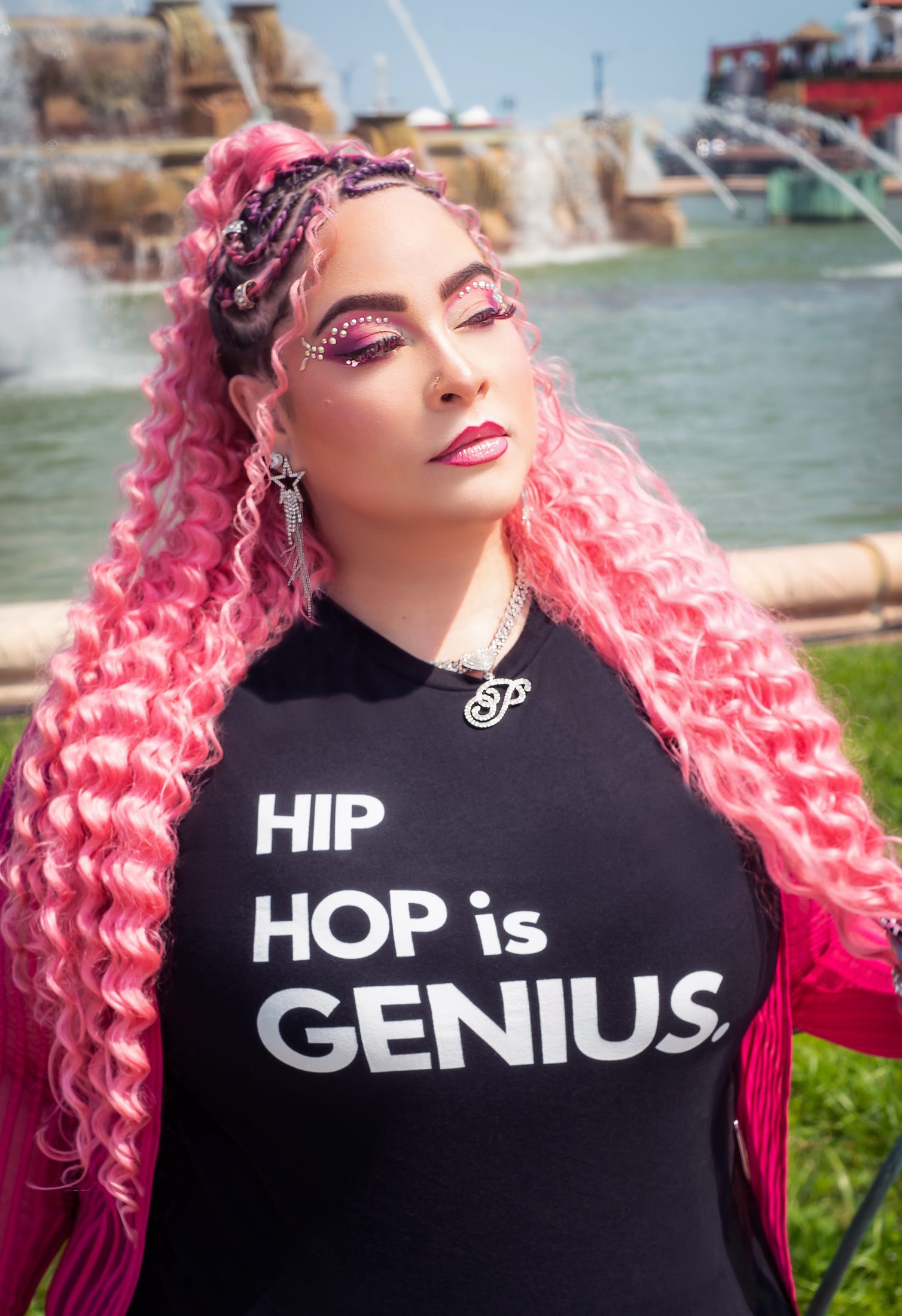
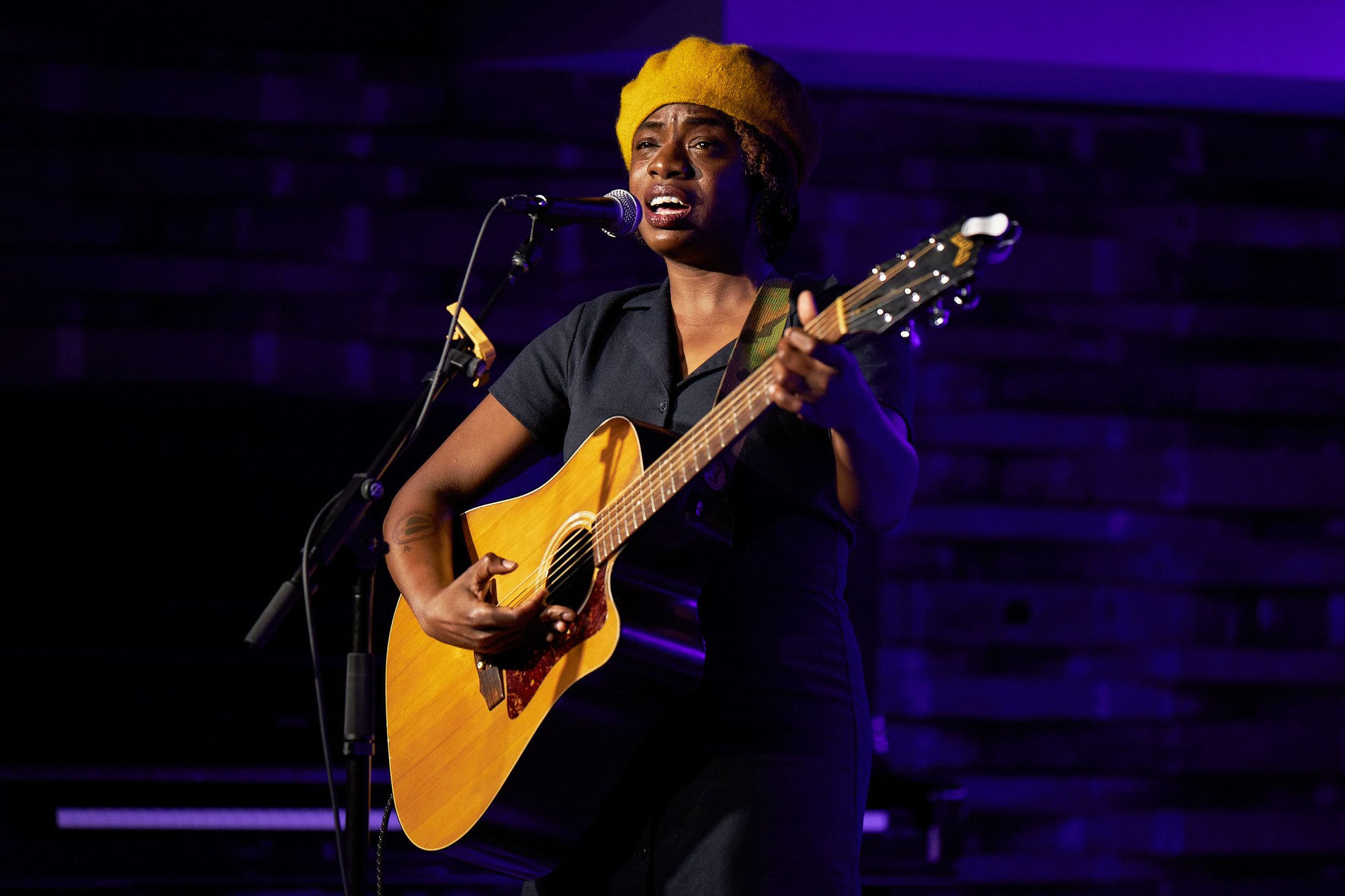
Credit: Vin Reed
Chicago-based Puerto Rican Pinqy Ring believes in the power of hip hop to change the world. She wears many bright pink colored hats; she’s a hip hop artist, educator, artivist, hip hop cultural ambassador, and disruptor.
This past fall, she was honored by United States Congresswoman Delia Ramirez (D-IL-3) on the floor of Congress and received the Ida B. Wells Activist Award from the Chicago Women's History Center. Earlier in the year, she was the Plenary speaker for Chicago Women's History Conference 2025, where she brought her mentees.
This past November, she announced the founding of The Hip Hop Cypher Movement, “an emerging nonprofit advancing Hip Hop by using the cypher as a catalyst for healing, creative leadership, and collective possibility, with a special emphasis on women and girls,” according to her Instagram.
And she’s only just getting started. The Parlor Magazine had a Zoom call with her to talk about her multi-faceted career. The interview has been edited for length and clarity.
Why art and activism?
Pinqy Ring: When I think of my younger self, I don't think I saw enough representations of who I could be and what I could do in the world. I was told to not take up space, to make myself as small as possible, to not talk about problems that are happening in the world, and put your head down, do the work, and you'll be fine.
The intersection of arts and activism, for me, is to encourage and inspire the next generation. The current generation needs to see what it looks like to take up space; what it looks like to share their story; what it looks like to be a disruptor; what it looks like to have varying creative jobs as well. There's a saying: If you don't tell your story, somebody else will, and they're going to get it wrong.
I want to make sure that we're archiving and honoring our stories and everything that we do. The world is on fire right now, and we need people to tell the truth. The greatest medium that we have is music and art in general. So it's important to use those mediums and platforms to make the revolution look sexy.
What fuels your work? Why hip hop?
Pinqy: Hip hop is the most important thing because it gave me a medium and a channel to tell my story that was accessible. I didn't have to learn how to read notes. I didn't have to have an instrument. All I needed was my body, my mind, my creativity, and my words.
I know that hip hop is stigmatized and it gets a bad rap. I find it extremely pressing and important to be both a hip hop artist and also a champion for hip hop as a culture because it's the thing that saved my life.
As a youth, I saw that hip hop was something that I could utilize to share my story and my experiences, to connect with other people, even if we weren't in the same physical space. I was able to talk about things that were happening; what I was seeing happening in my community; and how I saw people that I loved being marginalized and killed. This medium allowed me to take control of the narrative of myself and my community to empower other people.
I'm also finding out that I'm really good at speaking to people and educating. Both of those worlds merged in a way that allows me to pay homage and honor this culture that saved my life, but also to pay it forward, which I think is really important.
Could you talk a little bit about your hip hop ambassador work (through the U.S. State Department) where you went to places like Cambodia and Thailand?
Pinqy: Sometimes people think that we need the US government to legitimize this thing that already exists. People are actively practicing hip hop culture in all of these countries already. We're not coming as the expert on hip hop culture. We're coming as a cross collaboration. It's more of an exchange than it is about power dynamics. We have the concept of a cipher in hip hop, which is the circle where people are sharing and exchanging energy. It's not: Big Me, Little You. It’s: “We're all in the same place.”
The work is beautiful, because we get to connect with people that are participating in this culture, globally. They love this culture because of what it was made for. It's made to be social justice driven. It's made to question systems. It's made to uplift youth.
For the program, they send one person to represent each element of hip hop. We have the MC, who is the master of ceremony, the rapper, and the DJ. We have a [dance] breaker. We also have several forms of hip hop dance, not just breaking. There is aerosol art or graffiti.
Support independent journalism
Enjoy reading The Parlor?
Become a paid subscriber to get full access, early releases, and subscriber-only extras.
Become a paid subscriberWe do cross collaborations, where we connect with folks who do the traditional music of that country, and we interchange. They might have certain dance moves and they teach it to our dancer, and then our dancer will teach them a hip hop move. Maybe you're playing a certain instrument, and then the producer might sample it, and then we're freestyling together, and someone's painting at the same time. It's the coolest thing. There's also an entrepreneurial component and conflict transformation.
Then it ends in a big concert where a lot of these young folks are performing at venues that they may not have ever even visited, and now they're on the stage there.
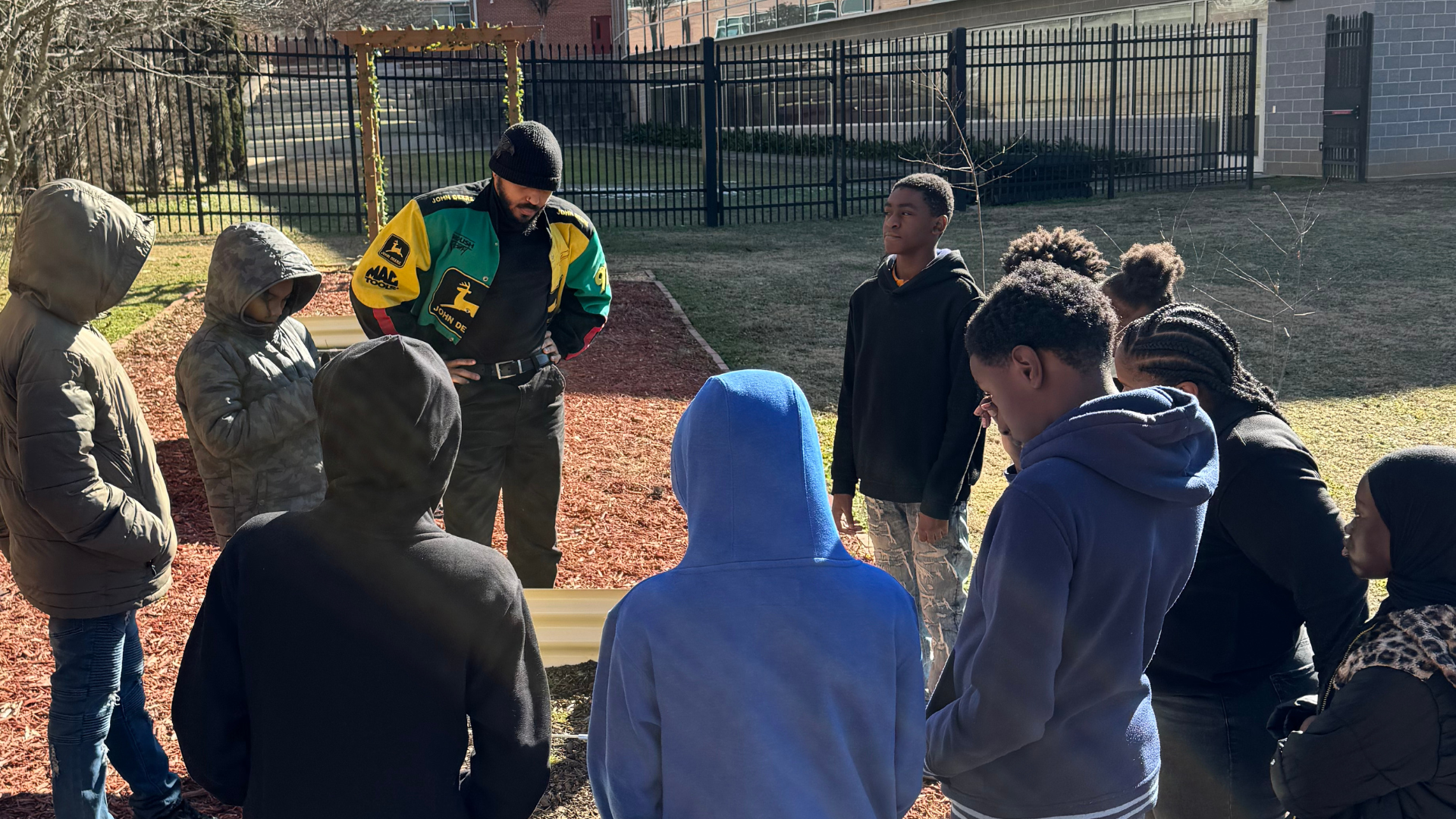
Could you talk about your work with the youth? I found it amazing that you brought your mentees to the award celebration and the Chicago Women’s History Center conference earlier in 2025.
Pinqy: I always say any platform of mine is a platform of theirs. It’s a lot of work that is not attached to a paycheck or a particular organization. That's just me out of my own money, having them come over to my house to rehearse.
The reason for that is because I had no one. I had no mentorship. I had no one telling me the ins and outs of the music industry. No one was putting me on their stages. How can I use my platform to help them see that representation matters? They can see, feel, hear, taste what it's like to use their music and be in a position of sharing their story and in a position of power, which young people should absolutely have.
That’s why I launched my own nonprofit The Hip Hop Cipher Movement. I started my own org because I saw all the gaps in nonprofits and the services that they were offering and the ways they help young people. Youths are treated as expendable, and not knowledgeable. There's so many people that pontificate about youth and don't ever bring them into the fold and ask them questions.
A lot of the work that I do is to make sure that I'm putting young people in positions of power, that I'm listening to them, advocating for them, and teaching them about hip hop culture. One of the things that gets lost in the lineage and the history of hip hop is that it's a culture that has multiple elements that they can tap into at any time.
Right now we’re living in terrible times when the government is targeting people of color. How has that changed your work?
Pinqy: Even doing Hip Hop diplomacy work, I've never had faith in this government. Regardless of who is the figurehead, it is a system that was not meant to benefit people of color, women, gender expansive, folks, youth, elders, right? There's so many marginalizations that exist, and so I think that my life has prepared me for this work.
One of the powerful things about hip hop is that it is inherently about organizing. It's speaking truth to power. It is providing brave spaces for young people to reflect. It's healing. As you go through these traumatic things, if you don't have access to a therapist or a psychologist or meds, you can write your story.
I feel overwhelmed, but I feel like I've been overwhelmed my whole life. It also empowers me even further, because I understand that it is by the people, for the people. We're not free until we're all free. That pushes me and motivates me to continue doing this work. But I'm tired. I need more allies. I need more co-conspirators. I need more comrades. I need funding. I need all of these things.
It's devastating, but it's always a different version of devastation that since I was a kid, that I've had to see, deal with, and unpack. But when I'm with young people, I see their joy and their hope. To me, that is my why and allows me to continue to do the work.
***
Check out her music on YouTube: https://www.youtube.com/user/pinqyring
Website: https://www.pinqyring.com/
Her Instagram: https://www.instagram.com/pinqy.ring/?hl=en
About the author
Elisa Shoenberger
Elisa Shoenberger is a freelance writer and journalist in Chicago. She also has written for the Boston Globe, Huffington Post, WIRED Magazine, Slate, and others. She writes regularly for Book Riot, Murder & Mayhem, Library Journal, and Cheese Professor. She’s obsessed with dogsledding, murder mysteries, and cheese.
Conversation
A space for Parlor members. Be generous, be real.
Loading…